Water Damage Restoration in Lexington, KY: Handling Property Emergencies in Your Travel Accommodations
Travel accommodations in Lexington, Kentucky face unique challenges when it comes to water-related emergencies. Whether you manage a vacation rental, bed and breakfast, or short-term property, understanding how to respond to water damage incidents can mean the difference between a minor inconvenience and a catastrophic loss. The city’s climate, with its humid summers and occasional severe weather events, creates conditions where property owners must remain vigilant about moisture intrusion and its consequences.
Understanding Water Damage Risks in Lexington Travel Properties
Lexington’s geographic location in the Bluegrass Region exposes properties to several water damage risk factors. The area experiences an average of 47 inches of rainfall annually, distributed relatively evenly throughout the year. This consistent moisture, combined with occasional severe thunderstorms and the remnants of tropical systems, creates ongoing challenges for property managers.
Travel accommodations face heightened vulnerability compared to standard residential properties. High guest turnover means that small leaks or moisture problems may go unnoticed for extended periods. Guests unfamiliar with a property’s plumbing systems may inadvertently cause overflows or blockages. Additionally, properties that sit vacant between bookings can develop hidden moisture problems that only become apparent when significant damage has already occurred.
Common Sources of Water Intrusion
Several factors contribute to water damage in Lexington rental properties:
- Roof leaks: Aging or improperly maintained roofing systems allow water penetration during storms
- Plumbing failures: Burst pipes, leaking fixtures, and deteriorating supply lines create sudden flooding events
- HVAC condensation: Air conditioning systems working overtime in Kentucky’s humid summers can produce excess condensation
- Foundation seepage: Groundwater intrusion through basement walls and floor slabs during heavy rainfall periods
- Appliance malfunctions: Washing machines, dishwashers, and water heaters can fail unexpectedly
Immediate Response Protocols for Property Managers
The first hours following water intrusion are critical for minimizing damage and preventing secondary issues like mold growth. Property managers should establish clear emergency protocols that can be activated immediately when water damage occurs.
When you discover water damage or receive notification from a guest, your initial response should focus on safety and containment. First, assess whether the situation poses any electrical hazards. If water has reached outlets, appliances, or electrical panels, shut off power to affected areas at the circuit breaker. Never enter standing water if electrical systems may be energized.
Next, if possible and safe to do so, stop the water source. This might involve shutting off the main water supply, closing a valve to a specific fixture, or placing containers under active leaks. Document the damage thoroughly with photographs and videos before beginning any cleanup efforts, as this documentation will be essential for insurance claims.
Water Extraction and Drying Procedures
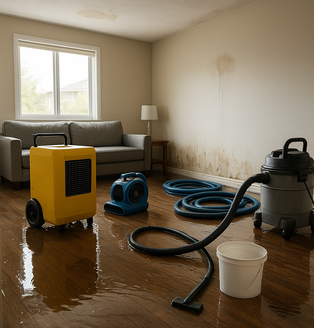
Standing water must be removed as quickly as possible to prevent further absorption into building materials. For minor incidents involving small amounts of water, wet vacuums and mops may suffice. However, significant flooding requires professional water damage repair services equipped with industrial extraction equipment and commercial-grade dehumidifiers.
The drying process extends beyond simply removing visible water. Moisture penetrates porous materials like drywall, insulation, carpeting, and wood subflooring. These materials must be dried thoroughly to prevent mold development, which can begin within 24 to 48 hours in Kentucky’s humid climate. Professional restoration technicians use moisture meters to measure water content in building materials, ensuring that affected areas reach appropriate dryness levels before reconstruction begins.
Air circulation plays a crucial role in effective drying. Opening windows when outdoor humidity permits, running fans, and operating dehumidifiers creates airflow that accelerates moisture evaporation. In some cases, technicians may need to remove baseboards or drill small holes in walls to allow air circulation within wall cavities.
Preventing Mold Growth in Humid Conditions
Lexington’s climate creates ideal conditions for mold proliferation following water damage events. Mold spores exist naturally in the environment but require moisture, organic material, and appropriate temperatures to colonize and grow. Water-damaged properties provide all three elements.
Mold growth presents serious concerns for travel accommodations. Beyond the structural damage mold causes to building materials, it creates health risks for guests, particularly those with respiratory sensitivities or compromised immune systems. Mold infestations can also generate musty odors that make properties uninhabitable and lead to negative reviews that damage your rental’s reputation.
Antimicrobial Treatments and Prevention
Professional restoration services apply antimicrobial treatments to affected surfaces after water extraction. These treatments inhibit mold growth during the drying process and provide residual protection. However, antimicrobial applications are not substitutes for thorough drying. They work in conjunction with proper moisture removal.
Long-term mold prevention requires addressing the underlying moisture problem. If water damage resulted from a roof leak, the roofing system must be repaired. If foundation seepage caused the issue, waterproofing solutions may be necessary. Simply drying out the property without correcting the moisture source leaves you vulnerable to recurring problems.
Insurance Considerations for Rental Properties
Water damage claims represent one of the most common insurance issues for property owners. Understanding your coverage before an incident occurs helps you navigate the claims process more effectively and ensures you maintain appropriate protection levels.
Standard property insurance policies typically cover sudden and accidental water damage, such as burst pipes or appliance failures. However, coverage often excludes damage resulting from lack of maintenance or gradual deterioration. For example, a pipe that bursts due to freezing would generally be covered, but damage from a slow leak that developed over months might not be.
Documentation Requirements
Insurance companies require detailed documentation to process water damage claims. Maintain records of all property maintenance, including plumbing inspections, roof maintenance, and HVAC servicing. When damage occurs, document everything:
- Photographs and videos of all affected areas before cleanup begins
- Written descriptions of the damage discovery and initial response
- Receipts for emergency services and temporary repairs
- Communication logs with guests if they reported the problem
- Professional inspection reports and moisture readings
Contact your insurance provider immediately when significant water damage occurs. Many policies require prompt notification, and delays in reporting can complicate claims or even result in denial. Ask your adjuster about coverage for loss of rental income during the restoration period, as many policies include business interruption provisions.
Communicating with Guests During Water Emergencies
How you handle guest communication during a water damage incident significantly impacts your property’s reputation and guest satisfaction. Transparency, responsiveness, and accommodation are essential.
If guests are present when water damage occurs, prioritize their safety and comfort. Assess whether the property remains habitable or if alternative accommodations are necessary. If guests must relocate, assist them in finding suitable alternatives and clearly communicate who will bear the costs. Many successful property managers maintain relationships with nearby hotels or other rental operators to facilitate emergency relocations.
Provide regular updates throughout the restoration process. Guests appreciate knowing what happened, what steps you’re taking to address the problem, and when the property will be available again. This communication demonstrates professionalism and helps maintain trust even during difficult circumstances.
Preventive Maintenance Strategies
Proactive maintenance significantly reduces water damage risks in travel accommodations. Implement a regular inspection schedule that addresses common vulnerability points.
Inspect roofing systems at least annually, particularly before Kentucky’s spring storm season. Look for missing or damaged shingles, deteriorating flashing around chimneys and vents, and signs of previous leaks in attic spaces. Address minor issues before they develop into major problems.
Plumbing systems require ongoing attention. Check supply lines to appliances for signs of wear, bulging, or corrosion. Replace washing machine hoses every five years regardless of apparent condition. Inspect water heaters for rust or moisture around the base, which can indicate tank failure. Consider installing automatic shutoff valves that detect leaks and stop water flow.
Smart Technology for Early Detection
Modern monitoring technology provides property managers with early warning systems for water problems. Smart water sensors placed near water heaters, under sinks, behind washing machines, and in basements send alerts to your phone when they detect moisture. These devices cost relatively little but can prevent extensive damage by enabling rapid response.
Smart thermostats and humidity monitors help you track conditions inside the property between guest stays. Elevated humidity levels may indicate hidden leaks or ventilation problems that require investigation. Some systems even allow remote temperature monitoring to prevent pipe freezing during winter vacancies.
Selecting Professional Restoration Services
Establishing relationships with qualified restoration professionals before emergencies occur ensures you can respond quickly when water damage happens. Look for companies with appropriate certifications from organizations like the Institute of Inspection, Cleaning and Restoration Certification (IICRC), which establishes industry standards for water damage restoration. Resources from the National Institute of Building Sciences can also provide valuable guidance on proper restoration techniques and building science principles.
Qualified restoration companies should provide 24-hour emergency response, as delays in addressing water damage exponentially increase costs and complications. They should also offer comprehensive services including water extraction, structural drying, antimicrobial treatment, and reconstruction, allowing you to work with a single provider throughout the restoration process.
Request references from other commercial or rental property owners and verify that companies maintain proper licensing and insurance. A reputable restoration service will provide detailed written estimates, explain their processes clearly, and work directly with your insurance company to streamline claims processing.
In cases of severe flooding, property managers should also familiarize themselves with https://www.fema.gov/fact-sheet/flood-cleanup guidelines to ensure proper safety protocols are followed during the cleanup process.
Water damage incidents in Lexington travel accommodations require swift, knowledgeable responses to protect your investment and maintain your property’s reputation. By understanding common risk factors, establishing clear emergency protocols, maintaining preventive measures, and partnering with qualified professionals, you can minimize the impact of water-related emergencies and ensure your rental property remains a welcoming destination for guests.